
Research residencies
Research residencies are open to individuals conducting a research project intended for publication (e.g., articles, theses, dissertations).
Particular attention is given to applications from doctoral researchers and ESNAM faculty members who wish to conduct research that could enrich their teaching.
The call for applications for the 2026/2027 residencies is closed.
Next in March 2027 for the 2027/2028 residencies.
2026/2027
Tristan Lacaze (France)
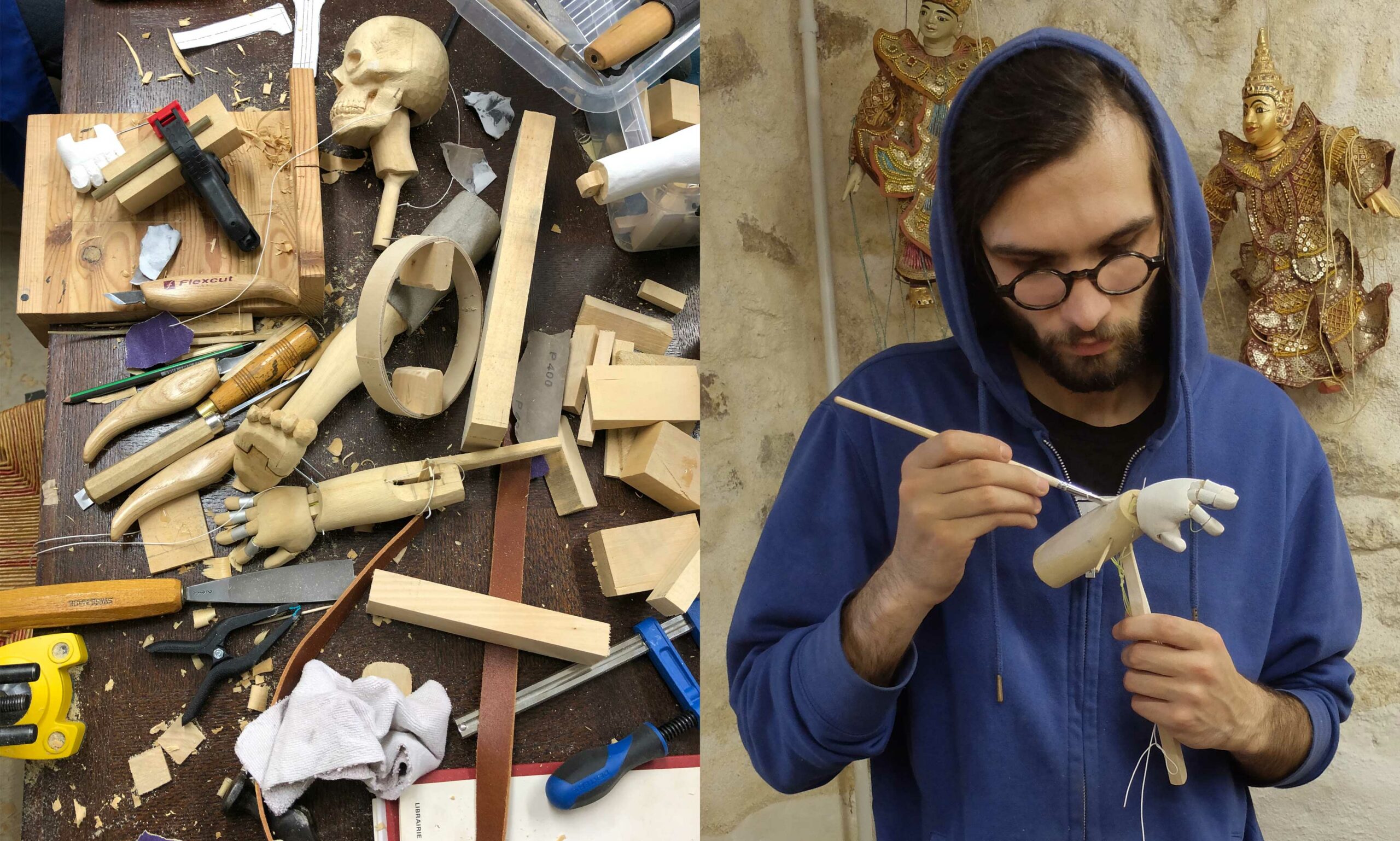
Tristan Lacaze, who trained in puppetry at the École Nationale Supérieure des Arts de la Marionnette, is a stage director, puppeteer and composer. He is co-artistic director of the company NoS CRÆTHERA.
His research focuses on the mechanisms and joints involved in puppet-making, examined from both anatomical and mechanical perspectives. Through the study of the principles of movement, he explores how technical choices respond to artistic, dramaturgical and poetic intentions. The project seeks to understand how puppeteers design or invent these mechanisms to bring a figure to life, convey a quality or create an illusion. It thus explores what enables the puppet to transcend the status of a mere immobile object whilst forming part of the history of animated figures.

2026/2027
Alice Jäger (France)
Alice Jäger will continue her research for her thesis on the representation of minority experiences in contemporary puppet theatre.
This residency will provide her with the opportunity to work on the final chapter of her thesis, which will be a reflective chapter on the constitution of the field of puppetry, its autonomous nature and the norms that operate within it. She wishes to develop this reflection in conjunction with the teaching she will be delivering at ESNAM and to experiment with reflective and critical tools alongside the students.
2026/2027
Felice Amato (USA)
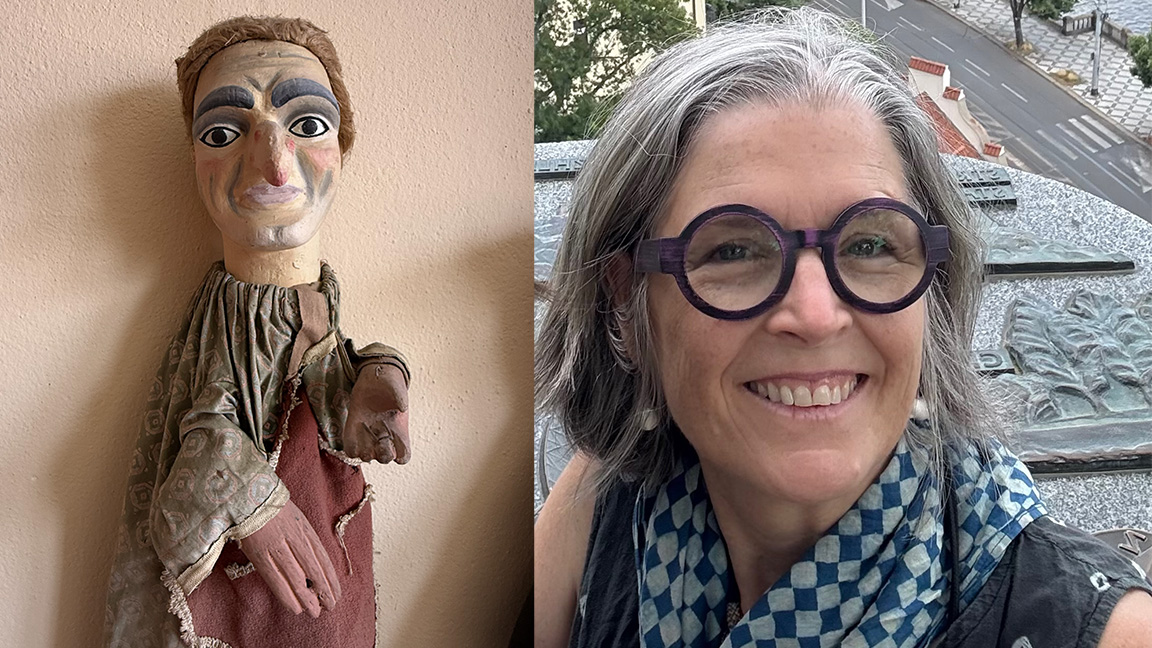
Felice Amato is a professor, artist, and researcher at Boston University. Her research residency will focus on her book: “Women, Puppets, Masks, and the Body” (Routledge, UK).
In this book, Felice Amato explores the multiple connections between the themes, examining how material performance opens new ways of exploring the body, including representations of trauma, sexuality, ageing, and life cycles, situating them within their cultural and moral contexts. French puppetry, particularly the practices developed in Charleville-Mézières, plays a central role in the book and has been a focus of Amato’s writing. Artists such as Yngvild Aspeli, Claire Heggen, Luana Montabonel, Polina Borisova, Pascale Blaison and Aurélie Hubeau are of particular significance to this research.
2026/2027
Kairu Yamanaka (Japan)
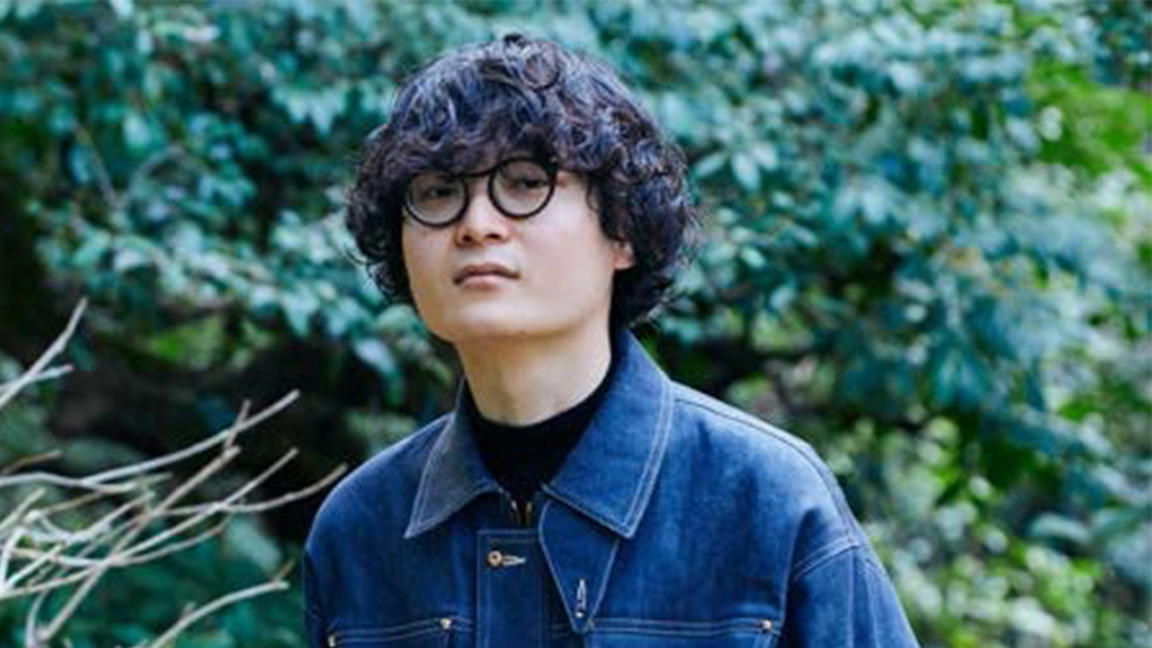
Kairu Yamanaka, who holds a PhD in anthropology, is a lecturer and researcher at Aichi Shukutoku University (Japan).
His current research investigates the cultural anthropology of contemporary puppetry, examining how traditional techniques are reinterpreted and practiced within modern theatrical and educational contexts. Building upon this ongoing work, the specific object of my proposed research at the Pôle is the transcultural adaptation of Japanese traditional puppetry. This project aims to explore the latent theatrical possibilities of Bunraku through the lens of “Bunraku-style” contemporary puppetry.

2026/2027
Einat Landais (France)
Einat Landais has been teaching at ESNAM since 2014 and has been involved in teaching puppet-making techniques for over twenty years. She hopes to use this residency to develop a set of technical guides dedicated to different types of puppets. These illustrated teaching resources, which are invaluable to students, require a significant amount of design work. The residency will provide her with the time needed to organise, refine and expand her expertise using the resources of the documentation centre, whilst highlighting the diversity of construction methods that characterises the puppetry sector.

2026/2027
Elise Garraud (France)
Elise Garraud is undertaking a research residency as part of her PhD thesis, which she is writing under the supervision of Frédéric Pouillaude at AMU Aix-Marseille University: ‘Clothing on Stage’.
Her research project explores the as yet little-examined links between puppetry and stage costume. As a costume designer and PhD student specialising in costume theory, she aims to analyse their technical, material and dramaturgical similarities, as well as their interactions on stage. Drawing on theoretical research and the resources of the Documentation Centre, this residency will bring together the fields of costume studies and puppetry in order to identify what they can offer each other and to open up new perspectives for the fields of puppetry and costume.